How To Grow Lily Of The Valley Bush
Lily of the valley is a beautiful and fragrant plant that is native to Europe and Asia. It is known for its delicate white flowers that bloom in the spring. Lily of the valley bushes are relatively easy to grow, but they do have some specific requirements.
In this blog post, I will discuss the following topics:
- The ideal growing conditions for lily of the valley bushes
- How to plant lily of the valley bushes
- How to care for lily of the valley bushes
- How to propagate lily of the valley bushes
Ideal Growing Conditions
Lily of the valley bushes prefer to grow in partial shade to full shade. They also need moist, well-drained soil that is slightly acidic. The pH of the soil should be between 5.0 and 6.0.
If you live in an area with alkaline soil, you can amend the soil with peat moss or sulfur to make it more acidic. You can also plant lily of the valley bushes in containers filled with a potting mix that is designed for acid-loving plants.
Planting Lily of the Valley Bushes
The best time to plant lily of the valley bushes is in the spring or fall. When planting, dig a hole that is twice as wide and deep as the root ball of the plant. Place the root ball in the hole and backfill with soil. Water the plant thoroughly.
Lily of the valley bushes should be spaced about 6 inches apart. If you are planting multiple bushes, space them so that they have enough room to spread.
Caring for Lily of the Valley Bushes
Lily of the valley bushes are relatively low-maintenance plants. However, they do need to be watered regularly, especially during the first year after planting. The soil should be kept moist, but not soggy.
Lily of the valley bushes also benefit from being fertilized once a year in the spring. Use a balanced fertilizer that is designed for flowering plants.
In the fall, you can mulch around the base of the plants with pine needles or shredded bark. This will help to protect the roots from the cold.
Propagating Lily of the Valley Bushes
Lily of the valley bushes can be propagated by division or by seed. Division is the easiest method. To divide a lily of the valley bush, dig up the plant in the spring or fall. Separate the roots into several clumps and replant each clump in a new location.
Lily of the valley bushes can also be propagated from seed. However, this method is more difficult and the seedlings may not flower for several years.
Conclusion
Lily of the valley bushes are beautiful and fragrant plants that are relatively easy to grow. If you provide them with the right growing conditions and care, they will reward you with years of beautiful blooms.
Lily of the valley bush (Pieris japonica) is a beautiful evergreen shrub that is native to eastern Asia. It is known for its glossy dark green leaves and its clusters of fragrant, white flowers that bloom in early spring. Lily of the valley bush is hardy in USDA zones 5-8 and can grow to be 6-8 feet tall and 4-6 feet wide. It is a relatively low-maintenance plant that prefers moist, well-drained soil and partial to full shade.
If you are interested in learning more about lily of the valley bush, please visit Home Gardening. This website has a wealth of information about the plant, including its care requirements, planting tips, and varieties. You can also find photos and videos of lily of the valley bush in bloom.
FAQ of lily of the valley bush
- What is a lily of the valley bush?
A lily of the valley bush is a type of evergreen shrub that is native to Asia. It is known for its glossy dark green leaves and clusters of white, bell-shaped flowers that bloom in early spring. Lily of the valley bushes can grow up to 6 feet tall and wide, and they are hardy in USDA zones 5-8.
- How to plant a lily of the valley bush?
The best time to plant a lily of the valley bush is in the spring or fall. The plant prefers acidic, well-drained soil and partial to full shade. To plant a lily of the valley bush, dig a hole that is twice as wide as the root ball of the plant. Add some compost or other organic matter to the soil and mix it well. Place the plant in the hole and backfill with soil, tamping it down firmly. Water the plant well and add a layer of mulch around the base.
- How to care for a lily of the valley bush?
Lily of the valley bushes are relatively easy to care for. Water them regularly, especially during the first year after planting. Fertilize them once a year in the spring with a balanced fertilizer. Mulch around the base of the plant to help retain moisture and suppress weeds. Prune the plant in the spring to remove dead or diseased branches.
- How fast does a lily of the valley bush grow?
Lily of the valley bushes grow relatively slowly. They may only grow a few inches per year in the first few years after planting. However, they will eventually reach their full size and width in about 5-7 years.
- Is lily of the valley bush poisonous?
Yes, lily of the valley bush is poisonous to humans, cats, and dogs. The entire plant, including the leaves, flowers, and roots, contains toxins that can cause vomiting, diarrhea, seizures, and even death. If you think someone has ingested lily of the valley, it is important to seek medical attention immediately.
- How to propagate lily of the valley bush?
Lily of the valley bushes can be propagated by seed, division, or cuttings. Seed propagation is the least reliable method, as the seeds are often slow to germinate and the seedlings may not flower for several years. Division is the most common method of propagation. In the spring or fall, carefully dig up a mature plant and divide it into several smaller clumps. Replant the clumps in well-prepared soil. Cuttings can also be taken in the spring or fall. Cut 4-6 inch long sections of healthy stem and remove the bottom leaves. Dip the cuttings in rooting hormone and plant them in a well-drained potting mix. Keep the cuttings moist and in a shady spot. They should root in about 4-6 weeks.
Image of lily of the valley bush
10 different images of lily of the valley bush that are free to use:




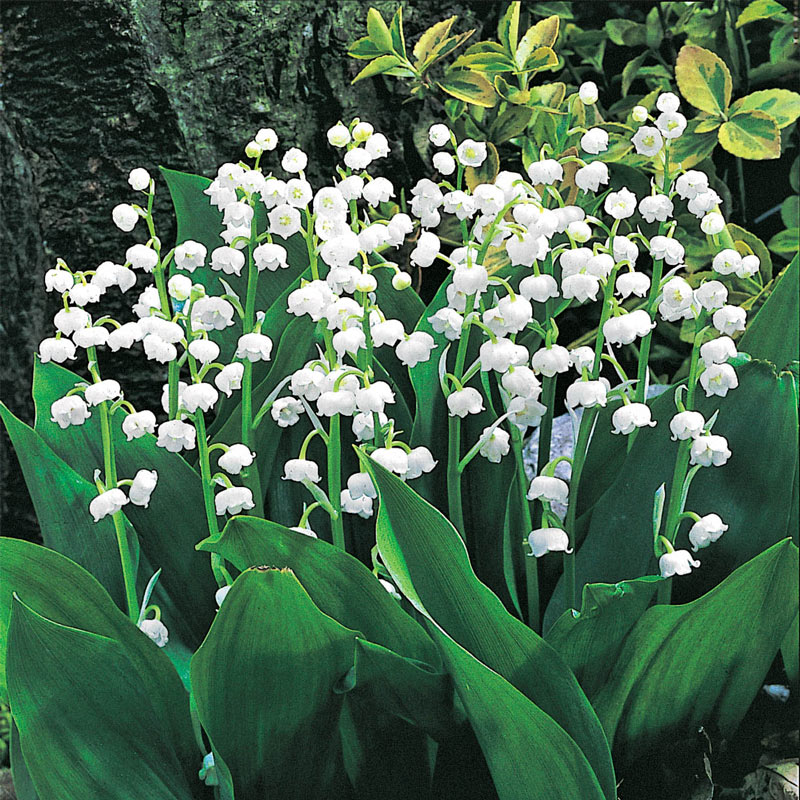
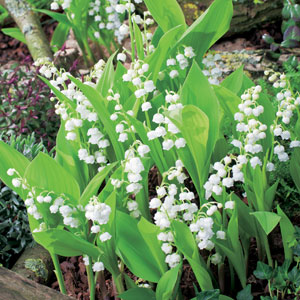

Lily of the valley bushes are typically small, growing to about 6 inches tall. They have white, bell-shaped flowers that bloom in spring. The flowers have a sweet fragrance that is often used in perfumes and potpourris. Lily of the valley bushes are hardy in zones 3-8 and can be grown in full sun or partial shade. They prefer moist, well-drained soil.
Lily of the valley bushes are poisonous if ingested, so it is important to keep them out of reach of children and pets. However, they are a beautiful and fragrant addition to any garden.
Post a Comment for "How To Grow Lily Of The Valley Bush"